
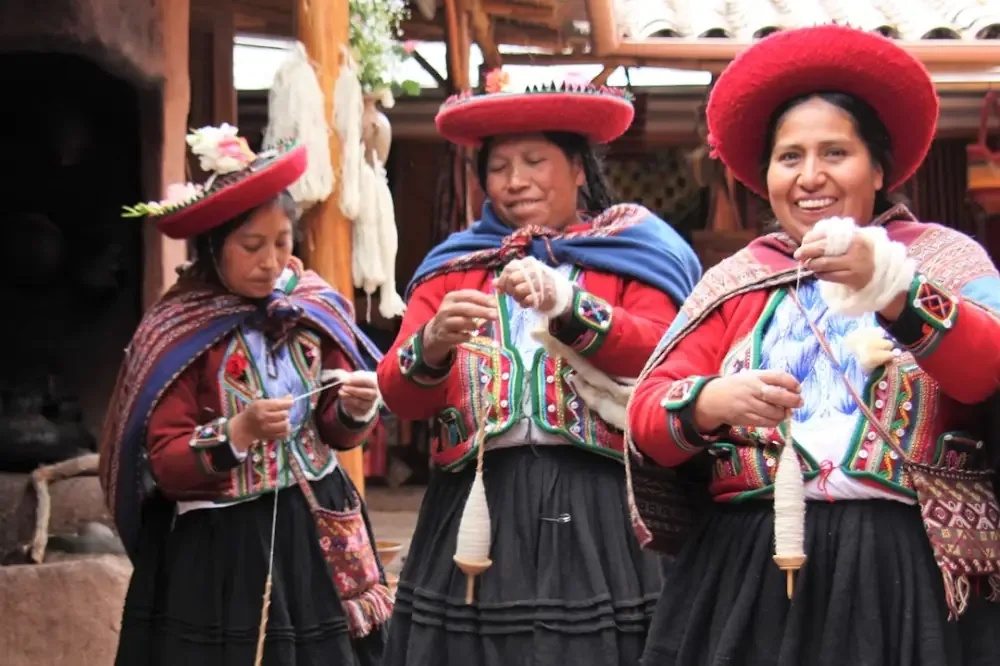
The Great Pivot: From Material Wealth to Experiential Depth
For decades, the definition of luxury travel was remarkably static. It was a world of marble lobbies, high-thread-count linens, and a level of service designed to anticipate every whim before it was even voiced. This was the era of the 'gilded bubble'—a sanitized, predictable environment where the traveler remained a spectator, comfortably insulated from the realities of the destination. However, a quiet revolution has taken place in the upper echelons of the travel industry. Today, the most discerning travelers are no longer asking 'What can I buy?' but rather 'Who can I become?'
I believe that true luxury has finally shed its material skin. We are witnessing a shift toward deep cultural connection, where the ultimate status symbol isn't a private villa, but the privilege of being invited into a narrative that has existed for centuries. In an increasingly digital and homogenized world, the only thing that cannot be replicated is the authentic soul of a place and its people.
The Fatigue of the Sanitized Resort
The modern luxury traveler is suffering from 'destination fatigue.' Whether you are in a five-star hotel in Dubai, London, or Singapore, the experience often feels remarkably similar. The scent in the air, the layout of the gym, and the menu at the bistro are curated to provide comfort through familiarity. But comfort, while pleasant, is rarely transformative.
Journalists and trend analysts are observing a pattern: the 'Ultra-High-Net-Worth' individual is moving away from consumption and toward contribution and comprehension. There is a growing realization that a gold-plated faucet adds nothing to one’s worldview, whereas a morning spent learning traditional fishing techniques from a Guna elder in the San Blas Islands provides a perspective that lasts a lifetime. This is the luxury of the 'un-googleable' experience—the moments that aren't on a brochure but happen through genuine human interaction.
Why Authenticity is the New Exclusivity
Exclusivity used to mean keeping people out. Today, in the context of cultural travel, exclusivity means being let in. It is about access to oral histories, traditional craftsmanship, and local wisdom that isn't available to the mass market. This shift is driven by a desire for 'radical authenticity,' where the imperfections of a locally woven textile are more valuable than the precision of a factory-made luxury brand.
The Pillars of Culturally-Driven Luxury
- Ancestral Wisdom: Engaging with indigenous practices, from medicinal plants to celestial navigation.
- Hyper-Local Gastronomy: Moving beyond 'farm-to-table' to 'foraged-to-plate,' understanding the ecology behind the meal.
- Meaningful Exchange: Moving away from the 'server-guest' dynamic toward a 'host-guest' relationship based on mutual respect.
- Preservation over Consumption: A commitment to ensuring that the traveler’s presence supports, rather than erodes, the local way of life.
The Role of Indigenous Wisdom in Modern Wellness
Interestingly, the luxury wellness sector has become one of the primary drivers of this cultural pivot. Travelers are no longer satisfied with standard spa treatments; they are seeking rituals that have been refined over millennia. Whether it is a traditional smoke ceremony or a communal meal prepared in a subterranean oven, these experiences offer a form of 'spiritual architecture' that modern life lacks.
By connecting with cultures that have maintained a harmonious relationship with nature—such as the Guna people of Panama—travelers are finding a blueprint for their own well-being. They are discovering that 'disconnecting' from the grid is only half the battle; the real value lies in 'reconnecting' with the fundamental rhythms of human existence. This isn't just travel; it’s an education of the soul.
The Narrative Economy: Investing in Stories
We are now living in what economists call the 'Narrative Economy.' In this landscape, the value of a luxury trip is measured by the stories the traveler brings home. A story about a private jet is a story about logistics; a story about sitting with a village matriarch and discussing the symbolism of a 'mola' (traditional textile) is a story about humanity.
This shift toward cultural depth also changes how we view 'island buyouts' and exclusive retreats. It is no longer just about having the island to yourself to escape the world; it is about having the space and the silence required to truly listen to the world you are visiting. It is the difference between being a tourist and being a witness.
Conclusion: The Future of High-End Travel
As we look toward the future of luxury travel, the trend is clear: the 'gilded bubble' is bursting. The next generation of travelers will seek out destinations that challenge them, educate them, and connect them to the diverse tapestry of human heritage. True luxury is the ability to cross a cultural bridge and find yourself changed on the other side.
At Yandup Island, we see this every day. The luxury isn't in the overwater bungalow itself; it’s in the fact that the bungalow sits in a territory governed by ancient laws and inhabited by a people who have successfully preserved their identity against the tides of globalization. That is the true gold. That is the deep connection. And that, I believe, is the only luxury that truly matters.